
How to Choose the Perfect Wood Type for Custom Furniture Pieces
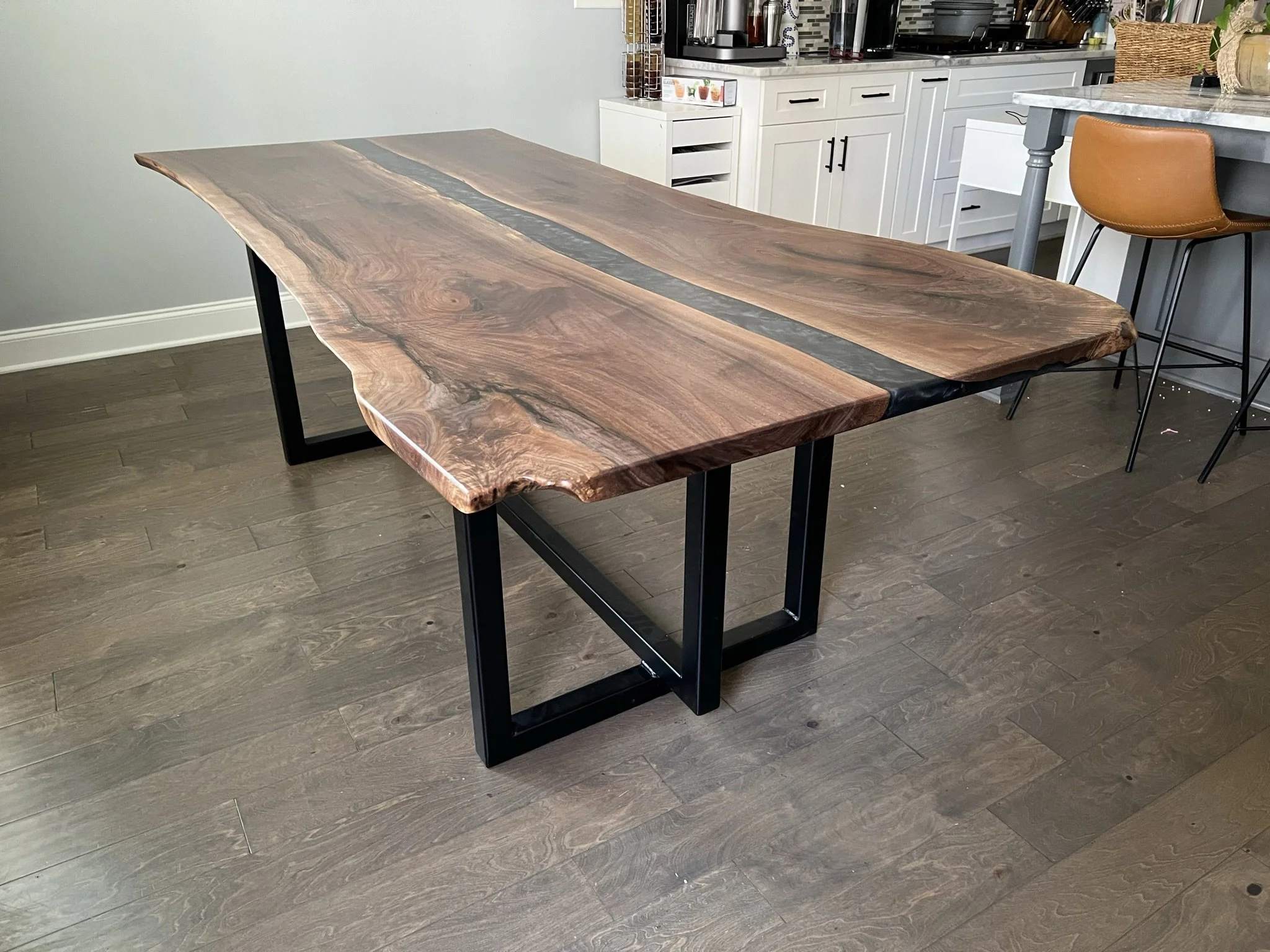
Choosing the right wood type for custom furniture is one of the most crucial decisions when designing a piece that reflects your style, durability needs, and functionality. The variety of wood types available can make the process overwhelming, but understanding the characteristics of each option will help you make the perfect choice. Here’s a comprehensive guide to help you navigate the world of wood types and select the best one for your custom furniture.
1. Understanding Hardwood vs. Softwood
The first thing to know is that wood is generally categorized into two main types: hardwood and softwood. Despite their names, the distinction isn’t solely about the hardness of the wood. It’s more about the type of tree they come from.
Hardwoods come from deciduous trees (trees that lose their leaves annually), such as oak, walnut, cherry, and maple. These woods are often denser, making them more durable and resistant to wear and tear. Hardwoods are ideal for high-traffic furniture pieces, such as dining tables or bed frames.
Softwoods come from coniferous trees (evergreens), like pine, cedar, and fir. Softwoods are generally lighter and less dense, making them easier to work with and often more affordable. They’re a great option for furniture that requires intricate carving or where budget is a concern, such as decorative pieces or shelving.
2. Factors to Consider When Choosing Wood for Custom Furniture
Several factors will influence your choice of wood for custom furniture:
Durability: If you’re crafting a piece that will endure heavy use, such as a dining table, bed frame, or desk, hardwood is typically the better choice due to its strength and durability. Woods like oak or maple can withstand daily wear without easily showing dents or scratches.
Aesthetics: The visual appeal of the wood should complement the style of your home and the design of the furniture. Different woods offer unique grain patterns and colors:
Walnut offers a rich, dark brown tone with a fine, straight grain, perfect for modern or luxury designs.
Cherry develops a warm, reddish hue over time, making it an excellent choice for timeless, classic pieces.
Oak has a distinct, coarse grain that adds character to rustic or traditional furniture.
Workability: Some woods are easier to shape and carve than others. If your design involves intricate details or custom shaping, you may want to choose a wood like pine, which is softer and easier to manipulate, though still sturdy enough for furniture.
Cost: Hardwood is often more expensive than softwood, so it’s essential to consider your budget. For example, mahogany or teak offer stunning durability and aesthetics but come at a higher cost. On the other hand, birch or ash provides a balance between affordability and quality.
3. Popular Wood Types for Custom Furniture
Oak: One of the most popular hardwoods, oak is known for its strength and visible grain patterns. It works well in both traditional and contemporary designs. Oak’s durability makes it ideal for high-use furniture such as dining tables, chairs, and cabinets.
Walnut: Walnut is a premium hardwood that exudes luxury and elegance. Its dark, rich brown color and straight grain make it a favorite for high-end custom furniture pieces like desks, beds, and bookcases.
Maple: Maple’s light color and smooth, fine grain make it perfect for sleek, modern furniture. It’s extremely durable and often used for heavy-duty furniture such as dressers, cabinets, and butcher blocks.
Cherry: Cherry wood has a distinct, warm reddish tone that deepens with age. Its smooth grain and timeless appeal make it an excellent choice for formal, classic furniture pieces like dining tables, cabinets, and beds.
Pine: As a softwood, pine is lightweight, affordable, and easy to work with. It’s often used in rustic, farmhouse, or country-style furniture. Pine is also ideal for painted furniture due to its uniform texture.
If sustainability is important to you, choose woods that are responsibly sourced. Look for furniture made from reclaimed wood or woods that are certified by the Forest Stewardship Council (FSC), which ensures the wood is harvested from sustainably managed forests.
Some woods, like bamboo, offer eco-friendly options. Although technically a grass, bamboo is incredibly strong and grows rapidly, making it a sustainable choice for custom furniture that’s also stylish and modern.
5. Finishing Touches: Stains and Finishes
The wood you choose will also influence the stain and finish of your furniture. Some woods, like oak and walnut, take stain well, allowing you to enhance their natural beauty. Other woods, like pine, may require a sealant to protect the softer surface.
Finishes can be either oil-based or water-based. Oil finishes penetrate the wood, enhancing its grain and providing a natural look, while water-based finishes offer more protection and a clear coating that preserves the wood’s natural color.
Choosing the Right Wood for Your Custom Furniture
Choosing the perfect wood for custom furniture ultimately comes down to balancing aesthetics, durability, and budget. Whether you’re drawn to the rich tones of walnut, the rustic charm of oak, or the budget-friendly versatility of pine, the wood you select will shape the character of your custom piece for years to come. By understanding the properties of different woods, you can ensure your custom furniture not only looks beautiful but stands the test of time.
If you need expert advice or inspiration for your next custom furniture project, reach out to our team today! We’re here to help you bring your vision to life with the perfect wood choice.