Best Types of Wood Cabinets for Charleston Kitchens: A Remodeler's Guide
Key Takeaways
Oak, maple, cherry, hickory, and walnut are the top wood types for Charleston kitchen remodels, each offering unique beauty, strength, and style.
Oak and hickory deliver exceptional durability and classic appeal, ideal for busy families or rustic kitchen designs.
Maple provides a clean, modern look that brightens coastal kitchens, while cherry and walnut bring timeless elegance and luxury.
Charleston’s humid climate makes hardwoods like oak, maple, and walnut great choices for stability and long-lasting performance.
Working with experts like Knotty Log Woodworks ensures your custom wood cabinets blend craftsmanship, durability, and Charleston’s signature Southern charm.
When remodeling your Charleston kitchen, your choice of cabinetry can completely transform the space’s look, feel, and functionality. Among all the materials available, wood cabinets remain a timeless favorite, offering warmth, character, and craftsmanship that never go out of style.
However, with so many options available, homeowners often ask: What are the best types of kitchen cabinets? From rustic oak to elegant cherry and modern maple, each wood species has unique traits that influence style, durability, and cost. This guide will help you choose the best types of wood cabinets for your Charleston home remodel.
Top Types of Wood Cabinets for Kitchen Remodels
1. Oak Cabinets: Classic and Durable
Oak has long been a go-to material for cabinet makers, and for good reason. Known for its prominent grain patterns and exceptional strength, oak cabinets bring a timeless, natural appeal to any kitchen.
Pros: Extremely durable and resistant to dents and scratches.
Cons: Grain patterns can appear busy in smaller spaces.
Best For: Traditional, farmhouse, or transitional kitchens.
White oak, in particular, has gained popularity in modern Charleston homes thanks to its subtle golden undertones and elegant grain.
2. Maple Cabinets: Sleek and Modern
For homeowners seeking a clean, contemporary aesthetic, maple cabinets are an excellent choice. This hardwood features a fine, consistent grain and accepts paints and stains evenly.
Pros: Smooth texture and light color allow versatile finishes.
Cons: Can be prone to discoloration from direct sunlight.
Best For: Modern, minimalist, or Scandinavian-inspired kitchens.
In Charleston’s coastal settings, maple’s light tone works perfectly to create airy, bright kitchens that reflect natural light beautifully.
3. Cherry Cabinets: Rich and Elegant
If you want a kitchen that exudes luxury and depth, cherry wood cabinets are a standout option. Cherry is prized for its rich, warm hues that darken gracefully over time, creating a stunning, aged patina.
Pros: Elegant appearance with long-lasting beauty.
Cons: Higher price point compared to some hardwoods. Cherry naturally darkens over time with exposure to UV light and oxygen. If something covers the wood during this 6-12 month darkening period it can leave an outline of lighter colored wood under the cover. To fix this, allow sunlight to hit the area evenly and it will naturally tone with he rest of the wood.
Best For: Traditional, classic, or colonial-style kitchens.
Cherry wood’s reddish tones complement Charleston’s historic architecture beautifully, offering sophistication and old-world charm.
4. Hickory Cabinets: Rustic and Bold
Hickory is one of the hardest and most visually striking woods used in cabinetry. Its natural color variations, from pale cream to dark brown, make it perfect for homeowners who appreciate a rustic or country-inspired kitchen.
Pros: Extremely durable with dramatic grain contrast.
Cons: Bold grain can overpower smaller kitchens. Lots of color variation among hickory
Best For: Rustic, farmhouse, or log-style homes.
Hickory’s strength also makes it ideal for busy households that need cabinets capable of withstanding everyday wear.
5. Walnut Cabinets: Sophisticated and Timeless
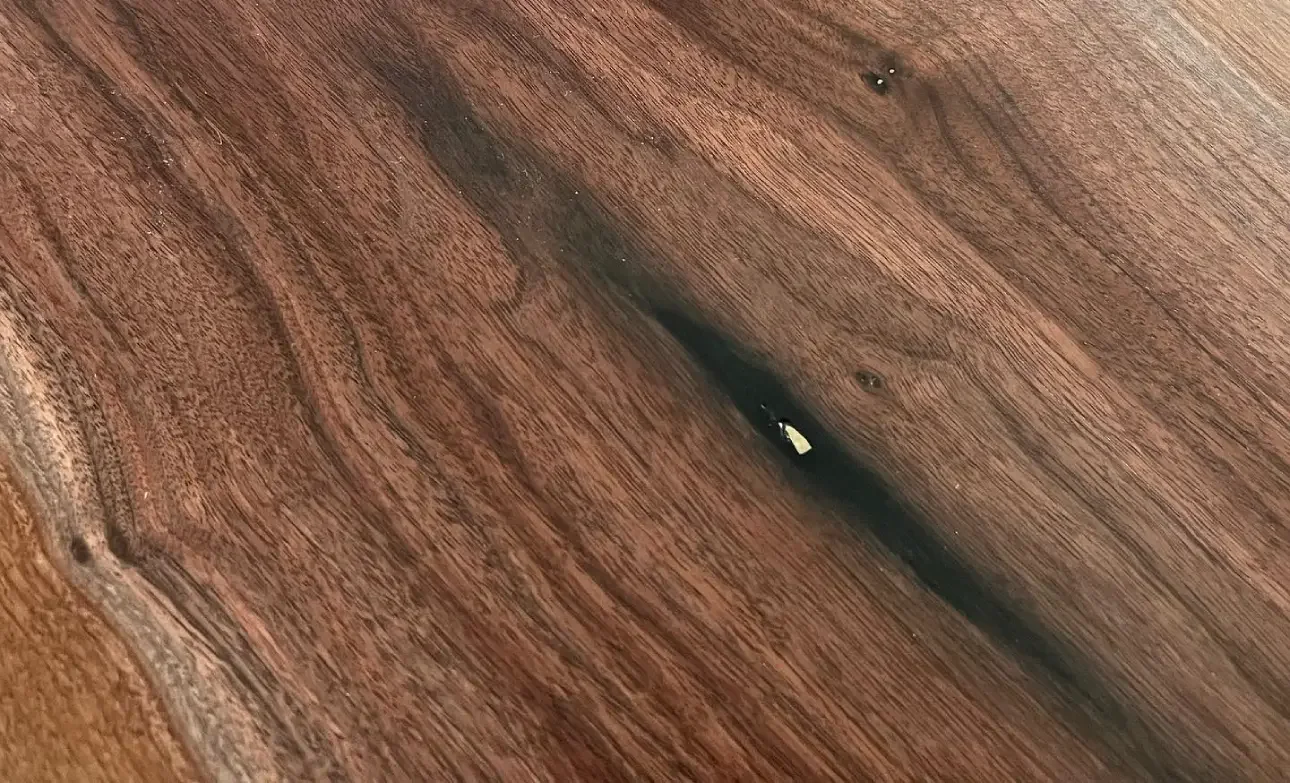
Walnut cabinets add a touch of refined luxury with their deep chocolate tones and smooth, rich grain. This high-end wood species has become a favorite for modern remodels that emphasize craftsmanship and natural beauty.
Pros: Visually stunning with a smooth finish.
Cons: Higher cost and requires consistent care.
Best For: Luxury, modern, or mid-century-inspired kitchens.
Walnut’s warm undertones pair beautifully with Charleston’s coastal palette of whites, grays, and soft blues, making it both elegant and inviting.
Explore our custom cabinetry to find handcrafted designs that perfectly fit your home’s style and functionality.
Factors to Consider When Choosing Wood Cabinets
Before selecting your ideal cabinet wood, consider these key factors:
1. Climate and Humidity
Charleston’s coastal humidity can impact wood expansion and contraction. Hardwoods like oak, maple, and walnut are more stable and less prone to warping.
2. Maintenance
Some wood species require more care than others. Cherry and walnut, for example, need gentle cleaning and occasional conditioning to maintain their rich finish.
3. Finish Options
Decide whether you prefer a natural wood finish, a light stain, or a painted surface. Maple and oak take paints and stains exceptionally well.
4. Budget
Oak and maple are more affordable, while cherry and walnut are considered premium woods. Balance your aesthetic goals with your remodeling budget.
Elevate Your Charleston Kitchen With Custom Wood Cabinets
Choosing the right types of wood cabinets can transform your kitchen from ordinary to extraordinary. Whether you’re drawn to the timeless appeal of oak, the elegance of cherry, or the sleek sophistication of walnut, investing in quality cabinetry ensures beauty and durability for years to come.
Charleston homeowners value craftsmanship, and wood cabinets perfectly capture that Southern artistry and warmth.
Transform Your Kitchen With Custom Wood Cabinets by Knotty Log Woodworks
At Knotty Log Woodworks, we specialize in designing and crafting custom wood cabinets that reflect your personal style and Charleston’s coastal charm. Our skilled artisans use the finest hardwoods to build cabinets that last a lifetime.
Contact us today for a free design consultation and estimate, and let’s create a kitchen that blends natural beauty with timeless craftsmanship.
FAQs About Types of Wood Cabinets
What Is the Most Durable Wood for Kitchen Cabinets?
Oak and hickory are among the most durable woods for kitchen cabinets. They resist scratches, dents, and daily wear, making them great for active families. Maple is also a strong contender for its hardness and fine grain. Choosing the right finish further enhances durability.
Which Wood Is Best for Painted Cabinets?
Maple and birch are the best choices for painted cabinets. Their smooth, tight grain allows paint to adhere evenly, resulting in a flawless finish. These woods work exceptionally well for modern or coastal kitchen designs. Regular touch-ups help maintain their bright, polished look.
What Is the Most Expensive Wood for Cabinets?
Walnut and cherry are typically the most expensive cabinet woods due to their rich color, grain quality, and longevity. Their luxurious appearance and natural beauty make them ideal for high-end remodels. Though costly upfront, they add long-term value. Many homeowners view them as a timeless investment.
Can You Mix Different Wood Types in a Kitchen?
Yes, mixing wood types is a growing trend in modern kitchen design. For example, you can pair maple upper cabinets with walnut or oak lower cabinets for visual contrast. This approach adds depth and character to your kitchen. A skilled cabinet maker ensures cohesive color and finish combinations.
How Do I Maintain Wood Cabinets in a Humid Climate Like Charleston?
Use a dehumidifier or ensure proper ventilation to prevent moisture buildup. Home AC units all have dehumidifiers. Wipe cabinets regularly with a soft, damp cloth and avoid harsh chemicals. Applying furniture polish or conditioner occasionally keeps the wood hydrated and lustrous. Consistent care helps prevent swelling and warping. All cabinets recieve a top coat that seals the lumber, nothing you ad on top of the topcoat will change or protect to the wood. Avoid steamers, excessive moisture on the wood when cleaning, no strong base or acidic cleaners.